
India
High Court Orders Quick Investigation in Fake Caste Certificate Case
May 20, 2026 Source: Bharat Vaani



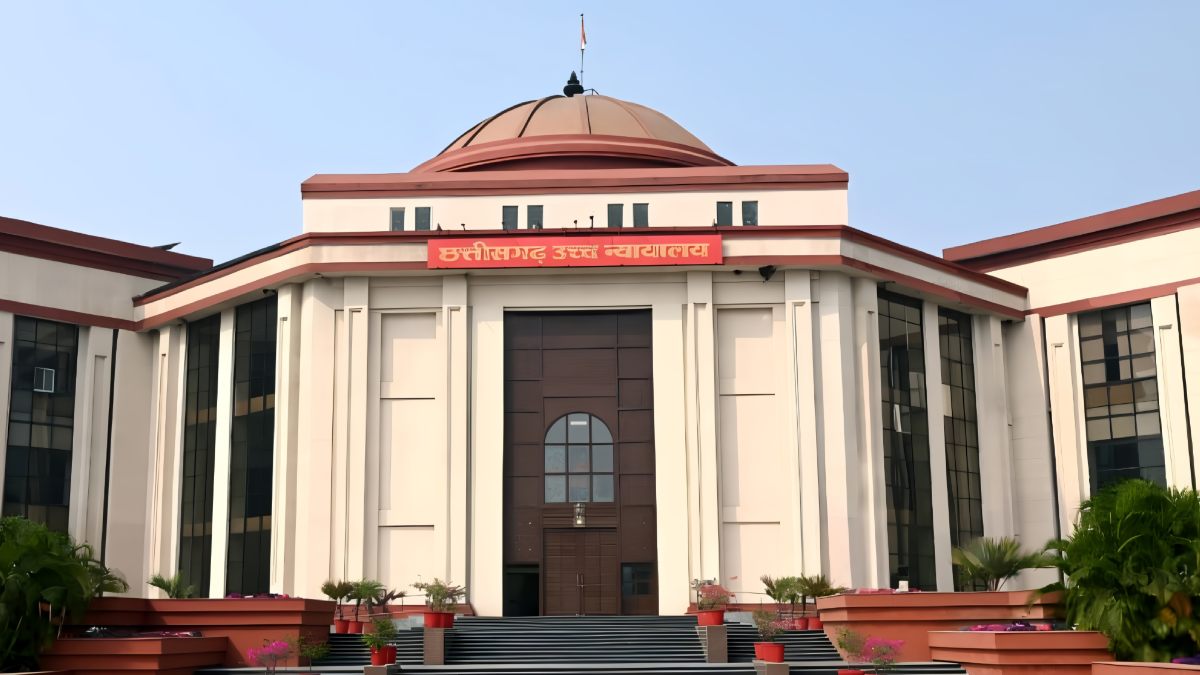
A major controversy involving an alleged fake caste certificate used by a senior excise officer has now reached the High Court. The court has directed the Bilaspur District-Level Caste Verification Committee to investigate the matter quickly and submit a report without further delay.
The case revolves around Excise Officer Rajesh Henry, who is accused of securing government employment by using a fake Scheduled Tribe (ST) caste certificate allegedly issued in Bilaspur. According to the allegations, he has been serving in the Excise Department for nearly 35 years on the basis of this certificate.
The petition was filed in the High Court by Prabhat Pandey, a resident of Bhopal. In his plea, Pandey claimed that Rajesh Henry, currently serving as an Additional Excise Commissioner in Madhya Pradesh, obtained reservation benefits and employment through forged documents. He stated that a formal complaint regarding the issue was submitted on June 22, 2024, but the verification process remained pending for a long time with the Bilaspur district-level committee.
The petitioner also referred to information obtained through the Right to Information (RTI) Act. According to the RTI records, the caste certificate carried the seal and signature of the Bilaspur Tehsil office. However, when officials examined the tehsil records from 1990–91, they reportedly found no official entry related to the issuance of the certificate. This raised serious doubts about the authenticity of the document.
The petition further stated that Chhattisgarh’s state-level caste verification committee had already forwarded the ST certificate to the district-level committee for investigation nearly two years ago, but no final verification had been completed so far. The delay, according to the petitioner, was affecting the purpose of the inquiry and allowing the accused officer to continue enjoying reservation-related benefits.
In the petition, demands were made for a time-bound investigation, suspension of reservation benefits until the inquiry is completed, and legal action if the certificate is proven fake.
The matter was heard by a single bench of Justice Amitendra Kishore Prasad. The High Court observed that when a complaint is pending before a competent authority, it should be resolved within a reasonable period. The court instructed the district-level caste verification committee to complete the process promptly while ensuring that all parties involved are given a fair opportunity to present their side.
The case has now become an important issue regarding transparency and verification in reservation-related appointments within government departments.