
World
US-Iran Draft Agreement Ready, Ceasefire and Hormuz Access Claimed by Trump
May 25, 2026 Source: Bharat Vaani



A draft interim agreement between the United States and Iran has reportedly been prepared, marking a significant development in ongoing diplomatic negotiations between the two countries. According to reports, both sides have given preliminary approval to the framework of the deal, although a formal and final announcement has not yet been made. Discussions are still continuing on several technical, strategic, and political issues before the agreement can be officially signed.
US President Donald Trump has claimed that the two sides have reached an understanding that includes a proposed 60-day ceasefire and a plan to reopen the Strait of Hormuz. However, officials have not confirmed a fully finalized agreement, and sources indicate that what currently exists is an “in-principle” or interim arrangement rather than a completed treaty.
The draft agreement is said to focus on de-escalation measures, including Iran’s commitment to refrain from developing nuclear weapons and the gradual reopening of the Strait of Hormuz, a critical global energy route. The Strait is one of the world’s most important shipping lanes, through which nearly 20% of global oil and gas supplies pass. Any disruption in this region has major implications for international energy markets.
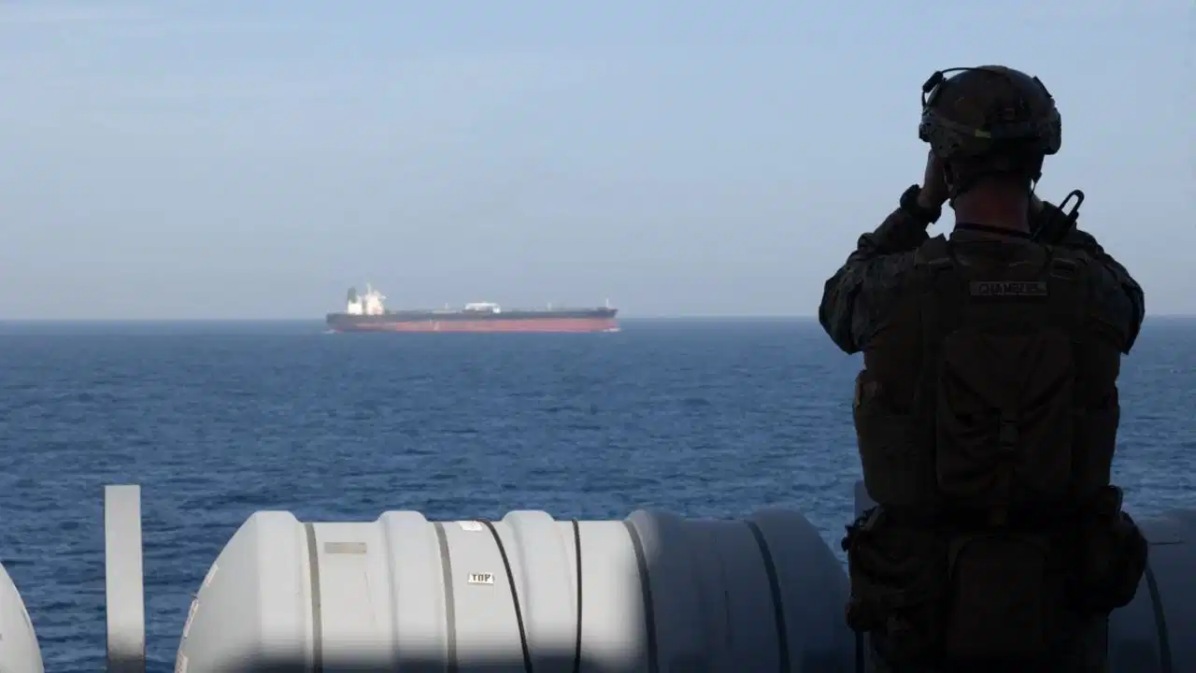
Reports suggest that the reopening process of the Strait of Hormuz could take considerable time. Some estimates indicate it may take a minimum of 30 days and could extend up to six months, depending on security conditions and technical challenges. One of the major concerns is the presence of naval mines reportedly placed in the area, which would need to be cleared before safe passage can be fully restored.
Experts also point to logistical challenges, including the movement of stranded cargo vessels in the Persian Gulf region. According to international energy assessments, thousands of ships may be affected, and their safe navigation would depend on confirmed security guarantees. Analysts warn that until the risk of renewed conflict is fully eliminated, commercial shipping activity will remain limited.
Additional reports from defense and intelligence briefings suggest that larger vessels may face longer delays in exiting the region, even after initial clearance operations begin. This adds further uncertainty to the timeline for restoring full maritime traffic through the Strait.
Beyond maritime and nuclear issues, the draft reportedly includes broader regional commitments. These allegedly involve reducing military tensions and addressing conflicts in neighboring areas, including Lebanon. However, no official documentation has been released, and many of these details remain unverified.
While the development signals progress in long-standing US-Iran tensions, officials emphasize that no final agreement has been signed yet. Diplomatic negotiations are ongoing, and both sides are expected to continue discussions before any formal declaration is made. The situation remains fluid, with global attention focused on whether the interim understanding will eventually translate into a fully binding peace agreement.