World
US–Iran Close in on 60-Day Truce, Strait of Hormuz Reopening Likely
May 24, 2026 Source: Bharat Vaani



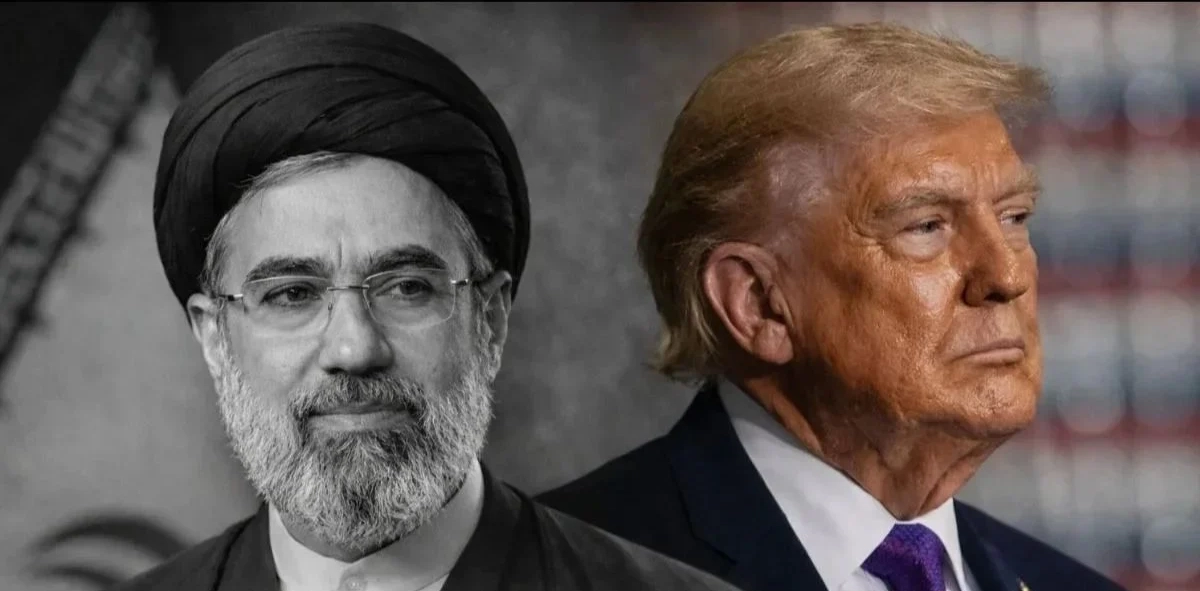
Recent reports suggest significant progress in diplomatic talks between the United States and Iran aimed at ending nearly three months of conflict in West Asia. According to Axios News, both countries are reportedly close to agreeing on a 60-day ceasefire framework that could mark a major de-escalation in tensions and potentially reshape regional stability.
A key element of the proposed agreement is the reopening of the Strait of Hormuz, one of the world’s most critical oil shipping routes. Under the reported terms, normal maritime movement through the strait would resume, allowing oil tankers to pass freely. Iran may also agree to remove naval mines that were previously deployed in the region during the conflict period. In return, the United States is expected to ease restrictions on Iranian ports and relax certain sanctions, potentially allowing Iran greater freedom to export oil.
The draft agreement also reportedly includes broader nuclear-related commitments. Iran would pledge not to pursue the development of nuclear weapons and engage in negotiations aimed at limiting uranium enrichment. Additionally, discussions are said to include measures to reduce Iran’s stockpile of highly enriched uranium, which has long been a major concern for Western governments.
Despite these signs of progress, uncertainty remains about the possibility of further escalation. Reports indicate heightened tensions, with speculation that U.S. President Donald Trump could authorize military action against Iran if negotiations fail. This has fueled concerns in the region, especially as Iran has reportedly closed its airspace due to security risks. Trump’s decision to cancel a weekend vacation and skip a family event has further intensified speculation about the seriousness of the situation.
Diplomatic activity has also involved regional players. Iran’s top negotiators, including Mohammad Baqer Ghalibaf and Foreign Minister Abbas Araghchi, have reportedly been in discussions with Pakistan’s Army Chief Asim Munir. Iranian state media suggests that Munir also met President Masoud Pezeshkian, with Pakistan’s military describing “encouraging progress” in talks over the past 24 hours. These developments indicate growing regional engagement in efforts to stabilize the situation.
Meanwhile, US Secretary of State Marco Rubio, speaking during his visit to India, confirmed that negotiations are ongoing and hinted that a significant announcement could be made soon. Iranian Foreign Ministry spokesperson Esmail Baghaei also acknowledged that differences between the two sides have narrowed, though several issues are still being resolved through intermediaries. He added that clarity on the final outcome may emerge within the next few days.
Reports suggest that the core of the negotiations revolves around a 14-point proposal put forward by Iran, which is being used as a foundation for the ongoing talks. While no final agreement has been confirmed, both sides appear to be moving closer to a possible temporary ceasefire arrangement that could ease tensions and reopen vital trade routes in the region.